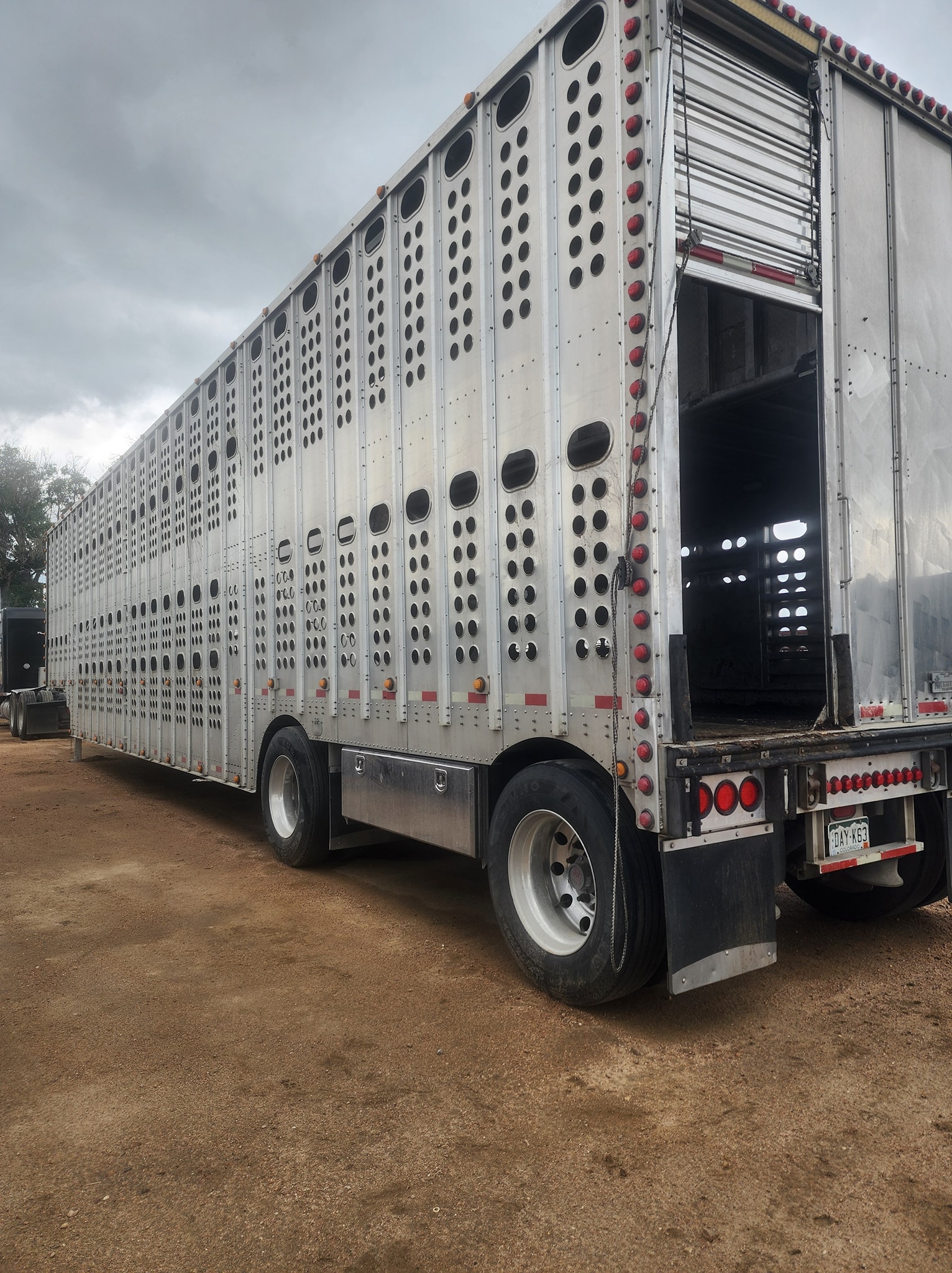
Mastering the Art of Welding: Tips and Techniques from IAG Welding Dec 09, 2025
Understanding the Basics
Before delving into advanced methods, it’s crucial to grasp the foundational principles of welding. Welding involves joining materials, primarily metals, by causing coalescence through heat. While there are numerous types of welding, including MIG, TIG, and Stick welding, the choice depends on the materials you're working with and the desired outcome. Understanding these methods and their appropriate applications is essential for any successful welding project.
Importance of Safety
At IAG Welding, safety is paramount. Welders are exposed to hazards such as intense heat, ultraviolet rays, and toxic fumes. Proper protective equipment like gloves, masks, and goggles should always be worn to minimize these risks. Ensuring your workspace is adequately ventilated and free from flammable materials further prevents accidents and promotes a safe working environment.
Precision in Practice
Achieving precision in welding begins with thorough preparation. Clean the surfaces to be welded to remove any dirt, rust, or grease, as contaminants can weaken the weld joint. Properly aligned workpieces not only improve the strength of the weld but also enhance the aesthetic quality of the finished product. Techniques such as tacking can help hold pieces in place, ensuring stability during the process.
Choosing the Right Equipment
Selecting suitable welding equipment can significantly impact the quality of your work. For instance, MIG welding, known for its versatility and ease of use, is ideal for beginners handling thin metals. On the other hand, TIG welding offers superior control and is perfect for precision work on materials like aluminum and stainless steel. Understanding the capabilities and limitations of your tools enables you to produce cleaner and more effective welds.
Mastering Heat Control
One of the most critical aspects of welding is managing heat input. Excessive heat can lead to warping or burning through the metal, compromising the integrity of the weld. Practice maintaining a consistent speed and angle, which regulates heat distribution and prevents defects. Learning to read the weld puddle—a pool of molten metal—allows you to gauge heat levels and adjust your technique in real-time for optimal results.
Continuous Learning and Practice
Welding is a skill honed over time, through persistent learning and practice. Engaging with other welders, attending workshops, and keeping abreast of the latest advancements in welding technologies can provide new insights and broaden your expertise. At IAG Welding, we advocate for continuous improvement and strive to share our knowledge and innovations with the welding community.
Conclusion
Mastering the art of welding is a journey rather than a destination, requiring dedication, practice, and knowledge. By understanding the basics, prioritizing safety, and honing your technique with the right equipment and practice, you can advance your skills and produce impeccable results. Whether you are working on a small DIY project or a large-scale industrial structure, IAG Welding is dedicated to supporting your endeavors with expert advice and top-tier services. Embrace the journey of welding mastery and let your creations stand as testaments to your skill and artistry.
/filters:no_upscale()/filters:format(webp)/media/9d434cd6-dbba-4757-93d4-c615bea35b7c.jpeg)